
About Ethereum
Ethereum is a decentralized, programmable blockchain launched in 2015 that introduced smart contracts, enabling developers to build decentralized apps, tokens, and DeFi protocols. It moved from proof-of-work to proof-of-stake in 2022.
Donate Ethereum or send leftover ETH
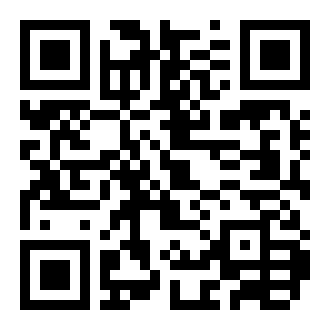
Whether you're looking to donate Ethereum, figure out what to do with leftover ETH, or just clear a small amount of ETH dust out of an old wallet, this page covers it — scan the QR code below or copy the address, no account or minimum required.
Ethereum wallet address
Scan the QR code or copy the address below. Double-check it's on the Ethereum Mainnet (ERC-20) before sending.
Why people send leftover Ethereum
Ethereum dust usually shows up after gas fees eat into a balance, or after swapping most of a token holding and leaving a small remainder behind. Because ERC-20 tokens all use the same Ethereum address format, it's easy to accumulate small, forgotten balances across dozens of different tokens.
How to send it
Find the withdraw or send option for ETH.
Scanning is usually fastest from a phone; copy/paste works well on desktop.
This address works for ETH and ERC-20 tokens on Ethereum Mainnet. The same address format is often reused on BNB Smart Chain and Polygon, but the networks themselves are different — always select Ethereum Mainnet unless a page tells you otherwise.
Once everything matches, confirm the transaction. You can verify it landed using the Etherscan link above.
Fees to expect
Ethereum gas fees are priced in gwei and rise when the network is congested, since block space is auctioned to the highest bidder. A basic transfer uses a fixed amount of gas, so fees don't scale with how much ETH you're sending — meaning a small dust balance can cost more in gas than it's worth during a busy period.