
Send leftover Bitcoin
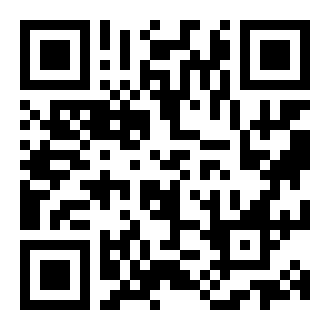
A small BTC balance sitting in an old wallet or exchange account? Scan the QR code below or copy the address, then double-check it on a block explorer if you'd like.
Last updated · By Spare Some Crypto
 ETH
 SOL
 DOGE
 USDT
 USDC
 ADA
 TRX
 BNB
 NU
 AE
 TWT
 ALGO
 ATOM
 ETC
 SHIBU
About Bitcoin
Bitcoin is the original cryptocurrency, created in 2009 by the pseudonymous Satoshi Nakamoto as a peer-to-peer electronic cash system. It's the largest cryptocurrency by market capitalization, secured by a global network of proof-of-work miners.
Donate Bitcoin or send leftover BTC
Whether you're looking to donate Bitcoin, figure out what to do with leftover BTC, or just clear a small amount of BTC dust out of an old wallet, this page covers it — scan the QR code below or copy the address, no account or minimum required.
Bitcoin wallet address
Scan the QR code or copy the address below. Double-check it's on the Bitcoin Network before sending.
Why people send leftover Bitcoin
Bitcoin dust often builds up from change outputs after a transaction, or from small amounts left in a wallet after moving the bulk of a balance elsewhere. Because Bitcoin's UTXO model can leave odd leftover amounts, it's common to end up with a fraction of a BTC that isn't large enough to bother trading or moving anywhere in particular.
How to send it
Find the withdraw or send option for BTC.
Scanning is usually fastest from a phone; copy/paste works well on desktop.
Bitcoin has one main network for this address — but confirm your wallet isn't trying to send Bitcoin Cash (BCH) or another Bitcoin fork, which use different address formats and networks entirely.
Once everything matches, confirm the transaction. You can verify it landed using the mempool.space link above.
Fees to expect
Bitcoin network fees are paid in satoshis and scale with transaction size and network congestion, not the amount you're sending. During busy periods a small BTC transfer can carry a noticeably larger fee relative to its value — if your balance is very small, it may cost more in fees than it's worth to move at all.
Before you send Bitcoin: what's different about BTC
Frequently asked questions
What is the smallest amount of Bitcoin I can send?
The network itself rejects outputs below its dust threshold (roughly 294–546 satoshis depending on address type). Exchanges usually set their own, higher withdrawal minimums, which are often the real limit for small balances.
Which network should I pick when withdrawing BTC from an exchange?
Pick the Bitcoin (BTC) network. Some exchanges also offer Lightning, BNB Smart Chain or other options for BTC; those won't arrive at an on-chain Bitcoin address.
How long does a Bitcoin transfer take?
A new block is found about every 10 minutes on average, so the first confirmation usually arrives within 10–30 minutes. Low-fee transactions can wait longer when the network is busy.